Drops
Just like a bulb in the snow...

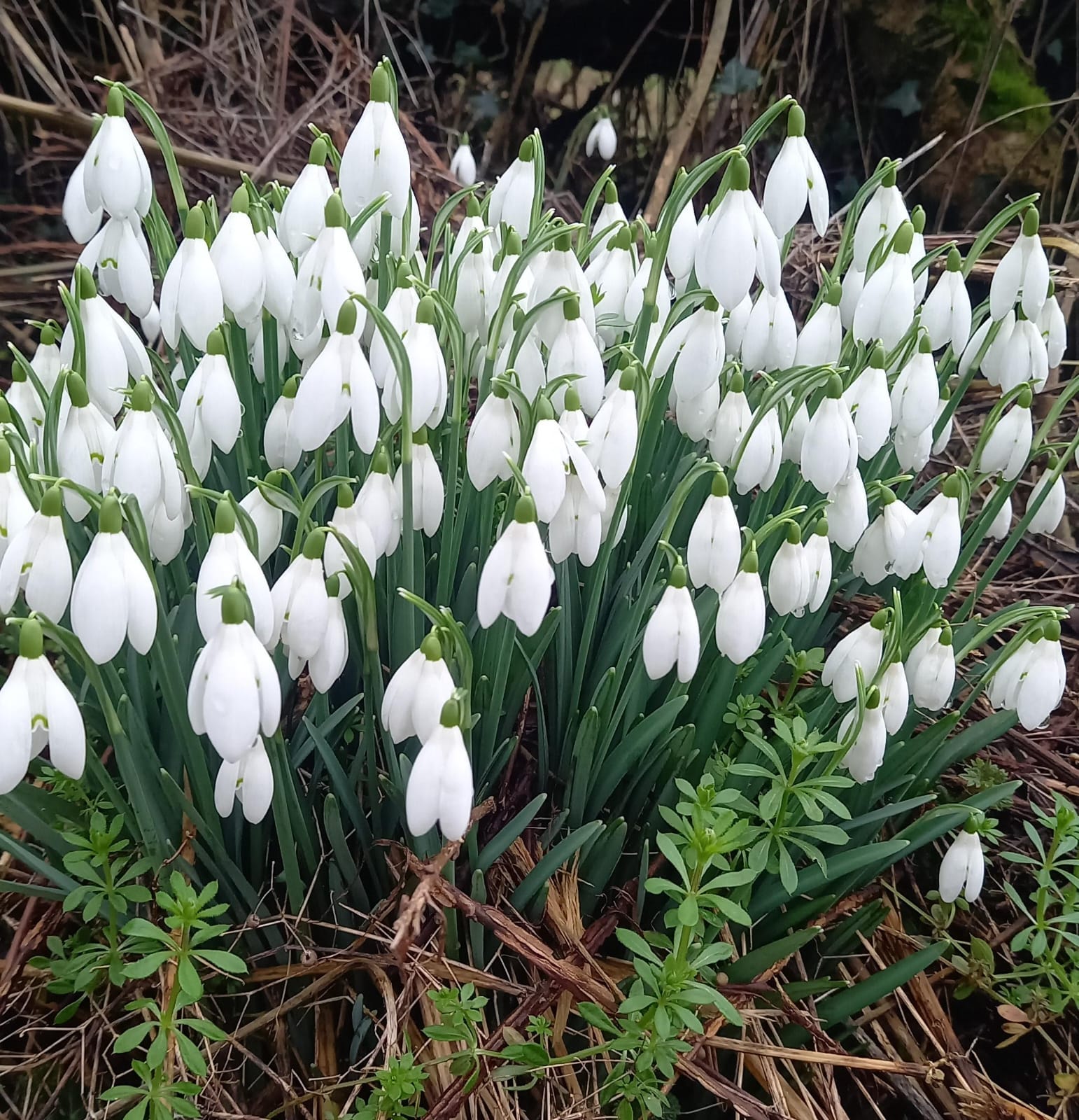
Drops
How do we feel the raindrops, when we are swimming in the sea?
What stops our run for cover, when we’re as wet as we can be?
Did someone pull us under, years ago when we were younger?
Do you know? Can you recall?
How do we soothe our psyche, if we have lived so many lives, before?
Are there some scars inside us, too deep for us to heal alone?
Reach out and feel it, like an onion we can peel it,
Just like a bulb in the snow, it’ll grow, come the spring,
Just like a bulb in the snow.
And if we dream of darkness, in the worst night of our soul,
And if we dare not sleep for fear the demons that we feed,
Reach out and feel it, like an onion we can peel it,
Just like a bulb in the snow, it’ll grow, come the spring,
Just like a bulb in the snow.
So if our heartbeat quickens, as if our brain is bitten, in two,
We wonder if it’s written, and is it told so we can know, for sure?
Reach out and feel it, like an onion we can peel it,
Just like a bulb in the snow, it’ll grow, come the spring,
Just like a bulb in the snow.
Just like a bulb in the snow.
Notes
Thanks Nel for the snowdrops picture.
The guitar chords are (with capo at 3rd fret): C, G, Am F, C, G for each line of the verse. F, G, Em, Am, G, G, for the ‘mini-bridge’ - “Did someone pull us…” Then F, G, Em, Am, / F, G, C, Am / F, G, C, G for the chorus - “Reach out and feel it…”
This is also a song, available as a free rough MP3 at alanchapman.com/music.
Here are details for the 37th gathering of the world-leading trauma healing conference: traumaresearchfoundation.org/lp/37th-annual-boston-trauma-conference/. Maybe this interests you personally, and/or perhaps you know someone interested in this profoundly helpful event.
For anyone struggling with unresolved trauma, especially childhood trauma and PTSD, here are some pointers. Note that in recent years there is much evidence of healing via somatic (body) movements and activities, as distinct from pharmaceuticals or ‘direct’ work on the mind, memories and feelings.
Start small. Taking big steps is commonly unhelpful. Simple activities such as yoga and walking in nature can be immensely helpful, especially if more ‘direct’ approaches are not possible. Seek therapists who specialise in trauma (trauma-informed therapy), not least to avoid ‘re-traumatizing’ yourself, which revealing memories too fast and intensely can do. Be patient and kind to yourself. Healing is not a straight line. Contact with animals such as dogs, cats and horses can be immensely helpful. Avoid (as much as you can) self-medicating with drugs, alcohol, food, etc.
In no particular order here are some of the main trauma healing methods:
Daily Self-Care and Management (sensory grounding by engaging our senses; routines for meals, exercise, sleep, etc; journaling and creativity; reducing exposure to media and triggers).
Connecting with support groups and rebuilding relationships and trust.
EMDR (Eye Movement Desensitization and Reprocessing).
Breathwork and Meditation.
Massage Therapy.
Trauma-Informed Yoga.
Somatic Therapy or Somatic Experiencing.
Trauma-Focused Cognitive Behavioral Therapy.
Internal Family Systems (IFS).
Narrative Therapy.
Trauma Release Exercises.
Emotional Freedom Technique (EFT) also called ‘tapping’.
Acupuncture.